%2Ffit-in%2F250x250%2Fguide_websites%2F119669%2Fimages%2F177198378215213d9f3b5-6c40-45be-ab47-282cf1234eb2.png&w=1920&q=100)
/users/af3cd90d-bb6f-4162-b86e-0cc6e52eeeed/ratecard/5d46c1bd-03a3-4627-9c87-7db1af327f47.jpg)
%2F300x300%2Fusers%2Faf3cd90d-bb6f-4162-b86e-0cc6e52eeeed%2Fratecard%2F5d46c1bd-03a3-4627-9c87-7db1af327f47.jpg&w=256&q=75)
%2F300x300%2Fusers%2Faf3cd90d-bb6f-4162-b86e-0cc6e52eeeed%2Fimages%2Flong-key-greater-amberjack-fishing-2607.jpg&w=256&q=75)
%2F300x300%2Fusers%2Faf3cd90d-bb6f-4162-b86e-0cc6e52eeeed%2Fimages%2Ffishing-adventure-florida-2531.jpg&w=256&q=75)
%2F300x300%2Fusers%2Faf3cd90d-bb6f-4162-b86e-0cc6e52eeeed%2Fimages%2Fmutton-snapper-fishing-florida-2684.jpg&w=256&q=75)
%2F300x300%2Fusers%2Faf3cd90d-bb6f-4162-b86e-0cc6e52eeeed%2Fimages%2Fblackfin-tuna-fishing-tour-long-2751.jpg&w=256&q=75)
%2F300x300%2Fusers%2Faf3cd90d-bb6f-4162-b86e-0cc6e52eeeed%2Fimages%2Fmutton-snapper-fishing-tour-long-2868.jpg&w=256&q=75)
%2F300x300%2Fusers%2Faf3cd90d-bb6f-4162-b86e-0cc6e52eeeed%2Fimages%2Fwahoo-fish-florida-fishing-tours-2655.jpg&w=256&q=75)
%2F300x300%2Fusers%2Faf3cd90d-bb6f-4162-b86e-0cc6e52eeeed%2Fimages%2Fwahoo-fish-fishing-tour-long-2721.jpg&w=256&q=75)
%2F300x300%2Fusers%2Faf3cd90d-bb6f-4162-b86e-0cc6e52eeeed%2Fimages%2Fwahoo-fish-long-key-2654.jpg&w=256&q=75)
%2F300x300%2Fusers%2Faf3cd90d-bb6f-4162-b86e-0cc6e52eeeed%2Fimages%2Ffisherman-wahoo-catch-fl-2643.jpg&w=256&q=75)
%2F300x300%2Fusers%2Faf3cd90d-bb6f-4162-b86e-0cc6e52eeeed%2Fimages%2Fanglers-great-fishing-trip-fl-2652.jpg&w=256&q=75)
Offshore Fishing Long Key FL Pesca En Los Cayos
 Long Key, FL
What you will be catching:
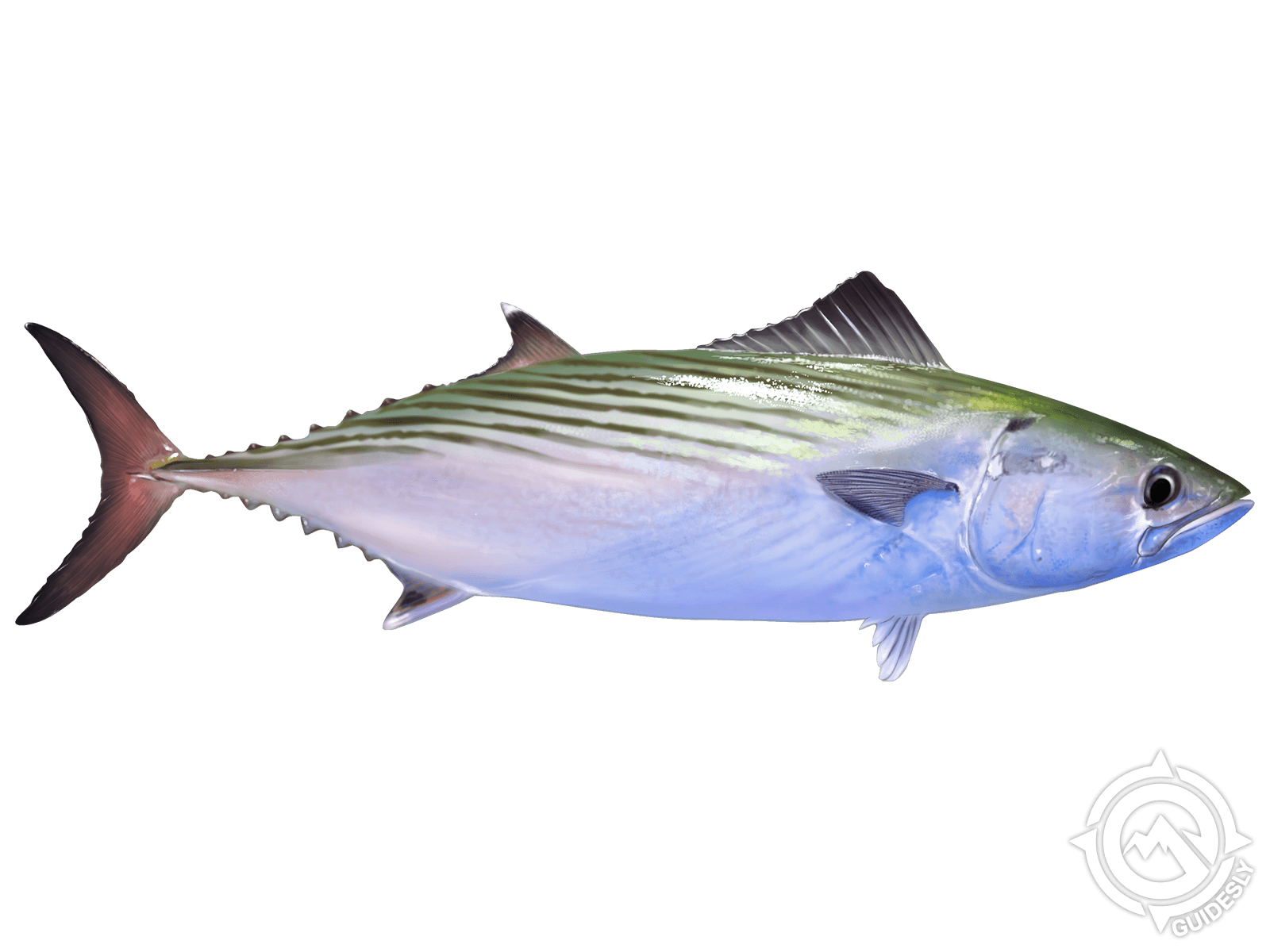
 Atlantic Bonito
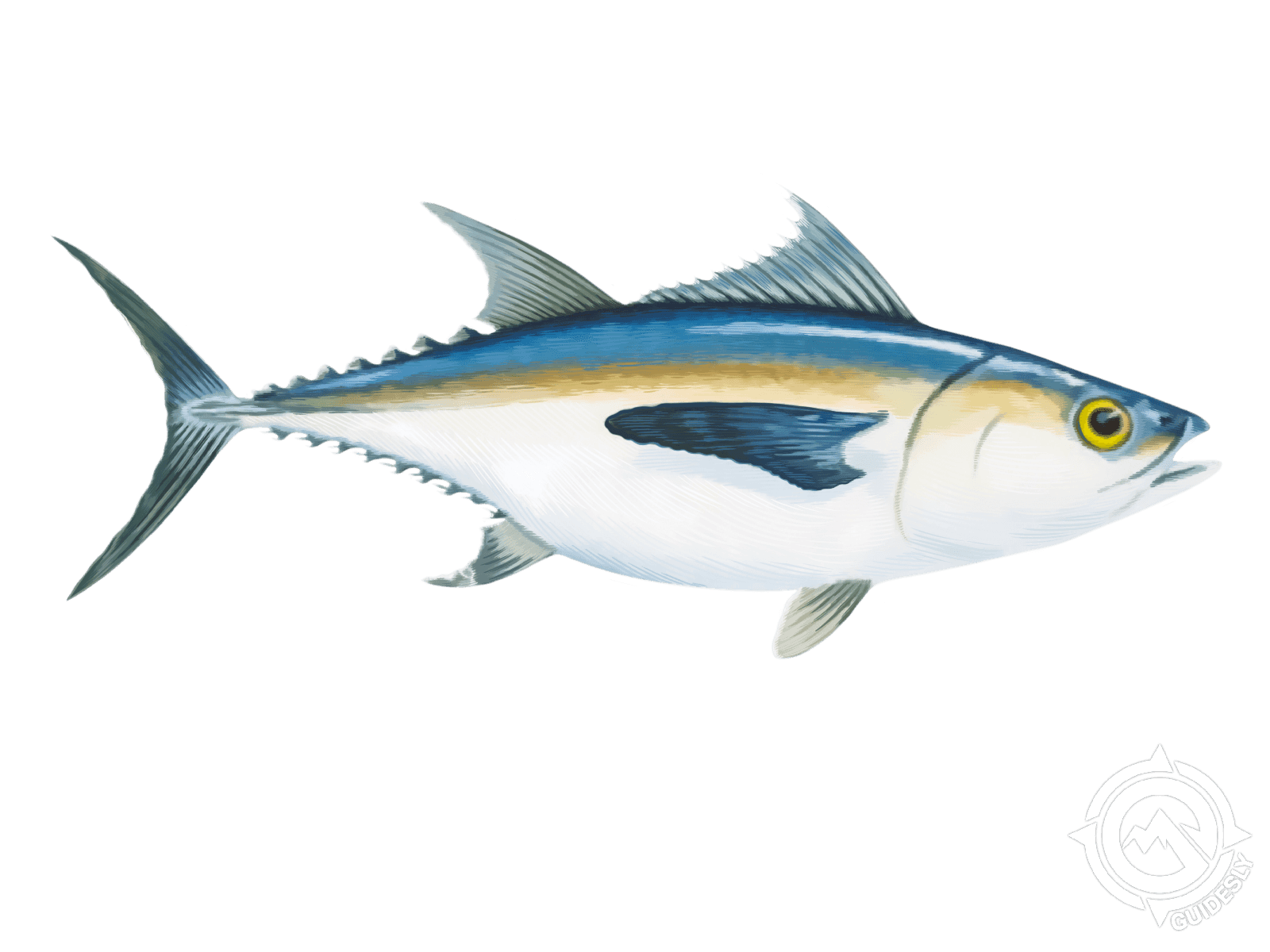
 Blackfin Tuna
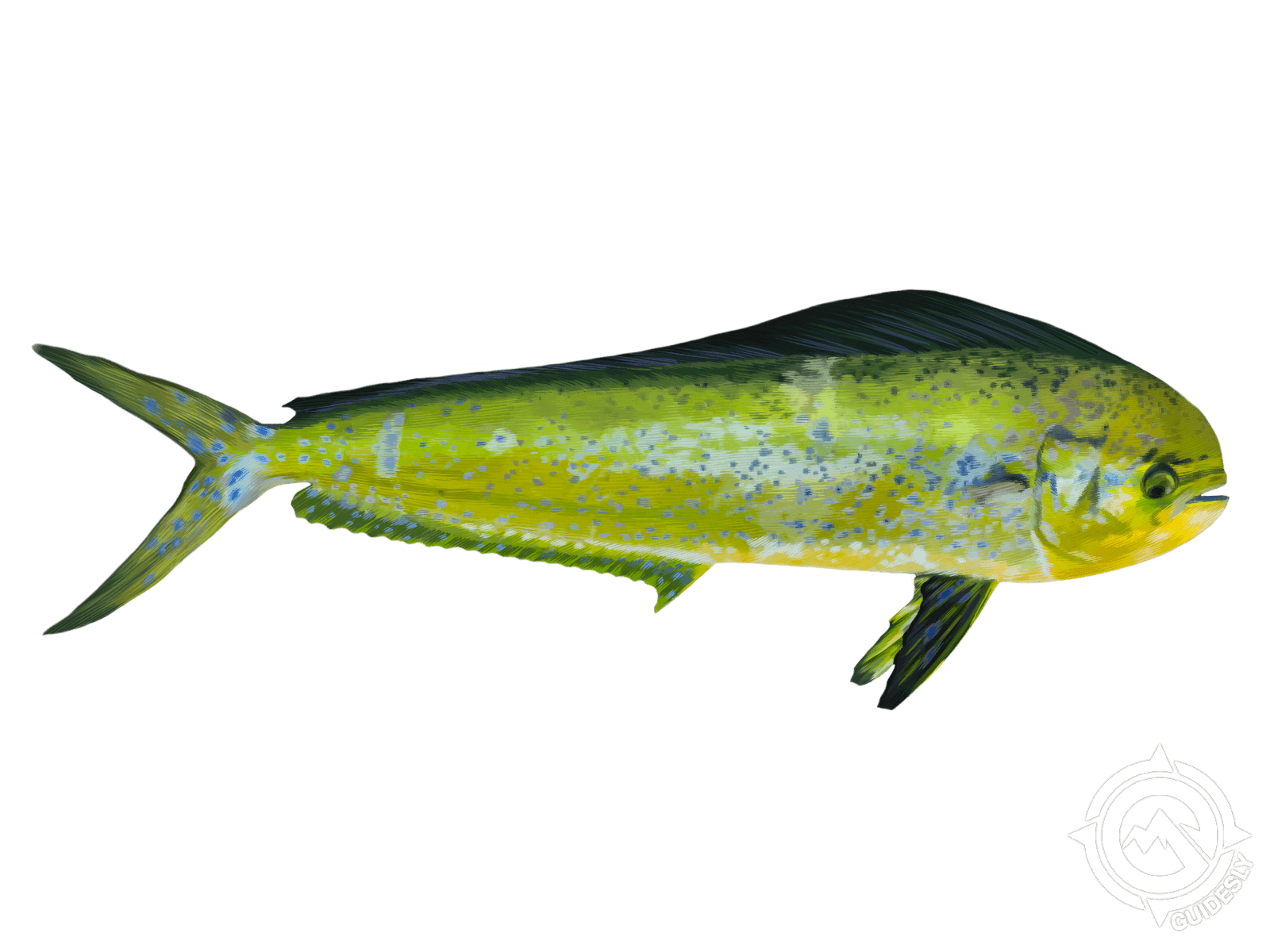
 Mahi Mahi or Common Dolphinfish
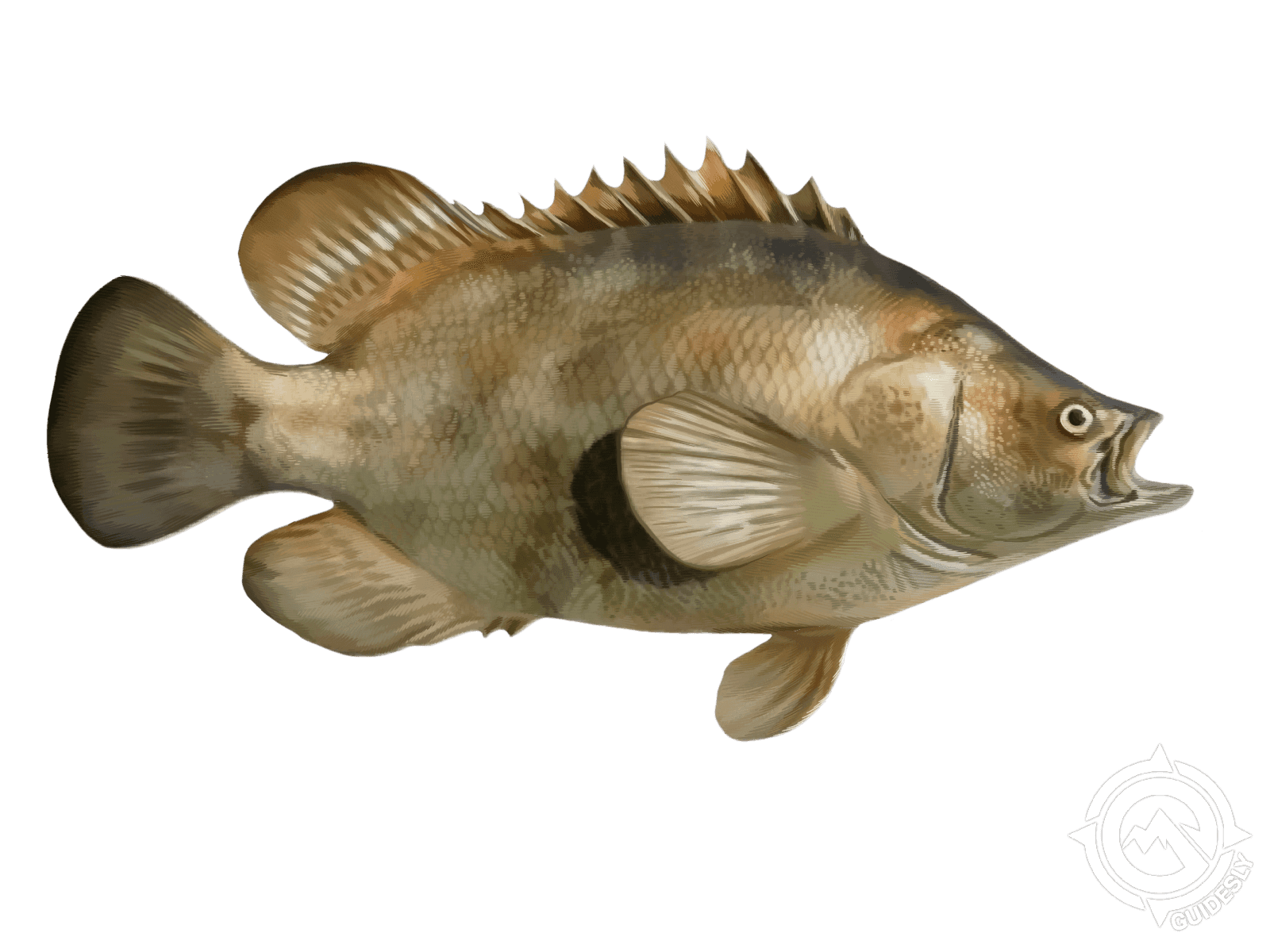
 Tripletail
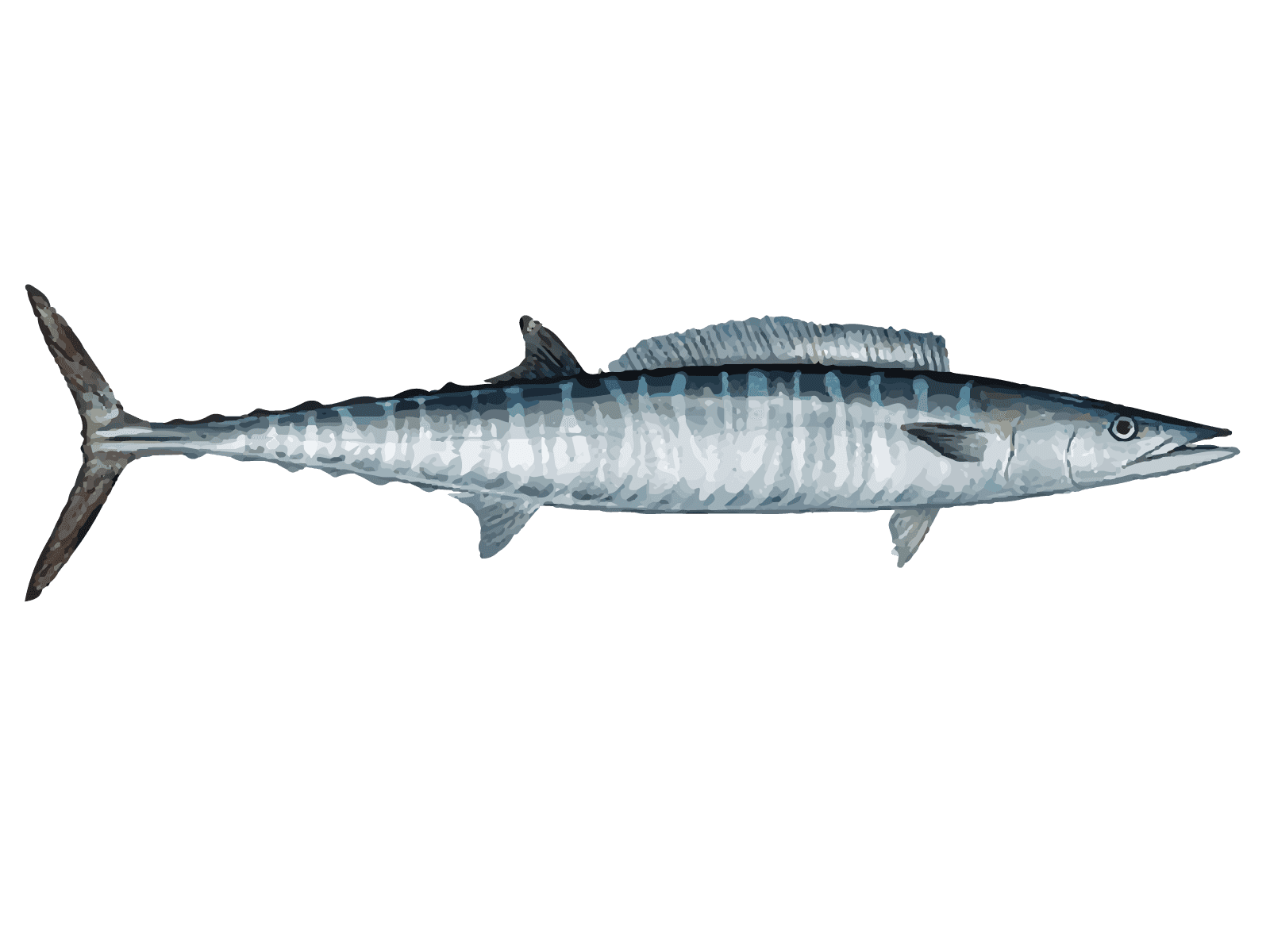
 Wahoo Fish
- Full-day offshore charter targeting productive deep-sea fishing grounds
- Professional captain provides gear, bait, licenses, and fish cleaning services
- Accommodates up to six anglers with flexible 6 or 8-hour trip options
Trip Pricing and Availabilities:
Full Day Offshore Fishing in Long Key, Florida
Captain Angel knows these waters like the back of his hand, and when you step aboard his 32' Contender at 7:00 AM, you're in for a proper offshore adventure. We're talking about pushing out up to 40 miles into the deep blue waters of the Florida Keys, where the fish are bigger, the fights are stronger, and the stories write themselves. This isn't your typical close-to-shore trip – we're heading to the productive offshore grounds where blackfin tuna, mahi, and wahoo call home. With room for up to six anglers, this private charter gives your crew the freedom to fish at your own pace, whether you're seasoned pros or first-timers ready to learn the ropes.
What to Expect on the Water
Your day starts early for good reason – the best offshore action happens when the sun's just breaking the horizon and the water's still calm from the night. Captain Angel runs a tight ship, meaning everything's prepped and ready before you even arrive at the dock. The 32' Contender is built for these offshore runs, cutting through chop like butter and giving you a stable platform once we reach the fishing grounds. You've got your choice between a 6-hour or 8-hour trip, and honestly, most folks wish they'd booked the longer option once they see what's swimming out there. All your gear, bait, licenses, snacks, and drinks are handled – you just need to show up ready to fish. The boat's equipped with quality tackle that can handle everything from 20-pound blackfins to 50-pound wahoo, and Captain Angel will match your setup to whatever's biting that day.
Trolling the Deep Blue
Offshore fishing in the Keys is all about covering water and reading the signs. We'll be trolling most of the day, which means multiple lines in the water as we cruise the productive depths looking for birds, bait schools, and structure that holds fish. The captain uses a mix of live bait, dead baits, and lures depending on what the fish are telling us. You'll learn to spot the subtle differences in how each species hits – mahi come up hot and aggressive, wahoo strike like lightning, and blackfin tuna pull with that deep, steady pressure that makes your arms burn. The 40-mile range puts us in prime territory where the continental shelf drops off and the big pelagics cruise the current lines. GPS and fish finder technology help us locate the sweet spots, but it's the captain's experience that puts you on fish consistently. When something hits, everyone on board feels the energy shift – there's nothing quite like the sound of a screaming reel 30 miles from shore.
Top Catches This Season
Blackfin tuna are the bread and butter of these offshore waters, running anywhere from 15 to 30 pounds and fighting like fish twice their size. These guys are most active during the cooler months, roughly October through April, when they school up in massive numbers along the drop-offs. What makes blackfins so special is their incredible stamina – they'll take you into your backing and keep pulling for 10 or 15 minutes straight. Plus, they're fantastic on the table, with that deep red meat that's perfect for sashimi or searing.
Atlantic bonito might be smaller than their tuna cousins, but don't let size fool you – these 8 to 12-pound speedsters are pure adrenaline on light tackle. They show up in good numbers during the spring and fall migrations, often mixed in with the blackfin schools. Bonito are incredibly fast and acrobatic, making multiple runs and jumping clear out of the water. They're a customer favorite because everyone gets in on the action when we find a school.
Mahi mahi are the stars of the summer offshore scene, typically showing up in good numbers from May through September. These fish are absolutely gorgeous – bright gold and green colors that seem to glow in the sunlight. Bulls can push 40 pounds, while the smaller females still put up a fantastic fight in the 10 to 20-pound range. Mahi love structure, so we'll target weed lines, floating debris, and current breaks where they ambush baitfish. They're also phenomenal eating, with white, flaky meat that's mild and sweet.
Wahoo are the speed demons of the deep, capable of hitting 60 mph and taking 200 yards of line in seconds. These torpedo-shaped predators can reach 50 pounds or more in these waters, and they're most active during the winter months when they move into the Keys in good numbers. Wahoo fishing requires heavy tackle and sharp reflexes – when one hits a high-speed trolled bait, you better be ready. Their razor-sharp teeth and incredible speed make for some of the most exciting fights you'll experience offshore.
Tripletail are the wild cards of the trip – these oddball fish hang around floating objects and structure, often looking like floating debris themselves until they suddenly come to life. They're typically 10 to 20 pounds, with a few bigger ones mixed in during peak season from late spring through early fall. Tripletail are sight-fishing targets, so when we spot one, it becomes a game of precision casting and patience. They're incredibly good eating and always generate excitement because you never know when one might appear.
Time to Book Your Spot
This Long Key offshore charter hits all the marks – experienced captain, quality boat, top-notch gear, and access to some of the most productive deep water fishing on the East Coast. Captain Angel handles all the details so you can focus on what matters: enjoying a day on the water with your crew and bringing home some world-class fish. The 7:00 AM departure gives you the best chance at calm seas and active fish, while the professional fish cleaning service means you'll head home with coolers full of fresh fillets. Whether you're planning a guys' trip, family adventure, or corporate outing, this
Learn more about the species
Atlantic Bonito
Atlantic Bonito are fast, aggressive mackerel relatives that average 5-8 pounds but can hit 12. These silver bullets have distinctive dark stripes and swim with their dorsal fins cutting the surface like mini sharks. They school in huge numbers during cooler months, usually in 60-80 foot depths along current edges. Watch for diving birds - that's your best sign they're feeding. Guests love them because they're scrappy fighters that hit hard and fast. They're not great table fare here in the States, but they make excellent bait for bigger fish. Pro tip: once you find a feeding school, almost any lure will work. Troll fast with small spoons or cast plastics right into the frenzy.
Blackfin Tuna
Blackfin Tuna are the smallest in the tuna family, typically running 15-25 pounds in our waters. These beautiful fish have dark backs with golden sides that really light up when they're fresh. You'll find them in deeper offshore waters, usually 20+ miles out where the water's clearest. They school up tight and feed heavily from fall through spring - perfect timing for our season. What makes them special is their incredible fight for their size and that sweet, mild meat that's perfect for sashimi. Here's a local trick: when you find one, there's usually more around. Scale down your tackle with fluorocarbon leaders - they're spooky with sharp eyes. Vertical jigging works great when you mark them on the finder.
Mahi Mahi or Common Dolphinfish
Mahi are the poster fish of offshore fishing - brilliant gold and green colors that put on a light show when you boat them. Most run 10-30 pounds, though bulls can push 50+. Look for them under floating debris, weedlines, or anywhere there's structure in blue water. They're year-round here but peak in spring and fall. What guests love most is watching those colors change and the acrobatic jumps when hooked. Plus, they're absolutely delicious - firm, white meat that grills perfectly. The males have that distinctive square head while females are more rounded. Here's the deal: when you catch one, keep your boat positioned near the debris. Often there's a whole school underneath, and you can catch several before they wise up.
Tripletail
Tripletail are oddball fish that look like floating leaves - and that's exactly how they hunt. These chunky, olive-colored fish average 5-15 pounds and have this unique three-fin tail design. They float near the surface around debris, buoys, or weedlines, often lying on their side playing dead. Year-round species but best in warmer months. What's cool is they're sight-fishing targets that'll test your casting skills, and they taste amazing - firm meat like grouper or snapper. They're also surprisingly acrobatic for such a bulky fish. The trick is approaching quietly and casting past them, then working your bait slowly into their zone. They spook easily, but when they eat, it's usually aggressive.
Wahoo Fish
Wahoo are pure speed demons - one of the fastest fish in the ocean hitting 50+ mph. These torpedo-shaped predators average 20-40 pounds with that distinctive zebra striping. You'll find them in deep blue water, often around structure or temperature breaks. They're solitary hunters, so finding one doesn't guarantee more. Peak season runs July through November when water temps are right. What makes them special is that blistering initial run that'll peel line like nothing else, plus they're phenomenal eating - white, flaky meat. The key is trolling fast, 12-15 knots minimum with wire leaders because those razor teeth will slice right through mono. Dark-colored lures work best in our clear water.
About the 32' Contender
%2F%2Fusers%2Faf3cd90d-bb6f-4162-b86e-0cc6e52eeeed%2Fvehicle_picture%2F4fd4bae8-a9d1-417f-916d-8ddd5d1f1704.jpg&w=1920&q=75)
Vehicle Guest Capacity: 6
Manufacturer Name: Yamaha
Maximum Cruising Speed: 35
Number of Engines: 2
Horsepower per Engine: 300