%2Ffit-in%2F250x250%2Fguide_websites%2F119669%2Fimages%2F177198378215213d9f3b5-6c40-45be-ab47-282cf1234eb2.png&w=1920&q=100)
Skipjack Tuna Caught Offshore in Long Key, Florida
Skipjack Tuna Fishing in Long Key - What to Expect
5.0

1 Review
- 5
 100%
100% - 4
 0%
0% - 30%
- 20%
- 10%
%2F%2Fusers%2Faf3cd90d-bb6f-4162-b86e-0cc6e52eeeed%2Fimages%2Fskipjack-tuna-long-key-florida-7563.png&w=1920&q=75)
Fishing, Tours Adventures by Captain Angel MartíNez in April

- Long Key FL Fishing Charter Trips


Summary
Join Captain Angel on a Sunday morning offshore fishing adventure in Long Key, exploring productive waters up to 40 miles out. This guided fishing, tours and adventures experience targets skipjack tuna and other species in the Florida Keys, with all gear, bait, and licenses included for up to six anglers of any skill level.
Offshore Fishing with Captain Angel Martinez - Rates & Booking
Captain Angel Martinez of Pesca En Los Cayos took guests offshore on Sunday morning in April, delivering the kind of day that keeps anglers coming back. His full day offshore fishing trips operate from Long Key aboard a purpose-built 32' Contender, venturing into some of the most productive waters the Florida Keys has to offer.
You have the flexibility to choose between a 6-hour or 8-hour adventure, accommodating up to six guests comfortably. Every trip includes all necessary tackle and gear, fresh bait, fishing licenses, snacks, and drinks. At the end of your day, Captain Angel handles fish cleaning at the dock so you can leave ready to cook or preserve your catch. This is a fully supported experience designed for anglers of all skill levels, from first-timers picking up a rod for the first time to seasoned fishermen chasing specific species.
The charter covers everything you need to focus on fishing. No hidden costs, no surprise fees for licensing or basic gear. Captain Angel's local expertise and professional operation mean you're working with someone who knows these waters intimately and runs a tight, safe ship from departure to return.
Highlights of Full Day Offshore Fishing with Captain Angel
The real appeal here is access to deep water grounds known for steady action and variety. You're not sitting around hoping for a bite; these offshore territories regularly hold skipjack tuna, along with other species that keep the rods bending throughout your trip. The 32' Contender is built for serious offshore work, handling the open water with the stability and comfort needed for a full day out.
What stands out most is the combination of professional guidance, well-maintained equipment, and genuine local knowledge. Captain Angel runs a charter operation that prioritizes both the experience and the catch, making the day memorable whether you land trophy fish or simply enjoy a day on the water learning from someone who understands these ecosystems.
Local Species Insights: Skipjack Tuna
Skipjack tuna are among the most responsive and reliable targets in Florida's offshore waters. These fish are built for speed and endurance, with streamlined bodies and powerful tail flukes that make them exciting to fight. What makes them particularly rewarding for charter fishing is their behavior - they're active hunters that don't hesitate to hit well-presented baits and lures.
In the deep waters around Long Key, skipjack tuna school in areas where thermal structure and bait concentrations align. The deeper offshore grounds that Captain Angel accesses, reaching up to 40 miles out, position you directly in their habitat during productive seasons. You'll notice these fish traveling and feeding in groups, which means action often comes in waves rather than single strikes. One angler's hookup can trigger a feeding response across nearby fish, creating the kind of exciting moments that define a successful offshore day.
Skipjack tuna are also selective about their prey. Captain Angel brings fresh bait specifically chosen because it matches what these fish are naturally hunting. The combination of the right bait, the right location, and the right depth creates the conditions where consistent catches become possible. Their fighting style is direct and powerful - you won't find skipjack tuna giving up easily once hooked, which is why they're so respected in the offshore fishing community.
The environment these fish inhabit is fundamentally different from shallow water fishing. Out past the reef, where the bottom drops away dramatically and water clarity shifts, you're entering a zone dominated by open water species. Skipjack operate in this territory year-round, though seasonal movements and water conditions influence their concentration. Captain Angel times trips and locations around these patterns, maximizing your chances of connecting with fish rather than just hoping they appear.
Plan Your Offshore Fishing Day
Departure happens early - 7:00 AM - which gets you to the fishing grounds during prime feeding windows. Bring layers; the water temperature and morning air are colder than you might expect even in spring, and the open water offers no shade as the day warms up. Comfortable shoes with good grip are essential on the deck of a moving boat.
Captain Angel provides everything fishing-related: rods, reels, tackle, and fresh bait. Snacks and drinks keep energy up during the day. The boat's layout gives everyone adequate space to fish without crowding, whether you're standing at the rail or taking a break. For groups up to six, there's room to rotate and rest while maintaining action.
The 8-hour option gives you extended time on prime grounds, while the 6-hour trip compresses the experience into a focused morning and early afternoon window. Either way, you're fishing serious offshore territory with someone who knows how to find and catch fish. Factor in the dock time for fish cleaning at the end - you'll leave with your catch processed and ready to go.
Fishing in Long Key: Skipjack Tuna
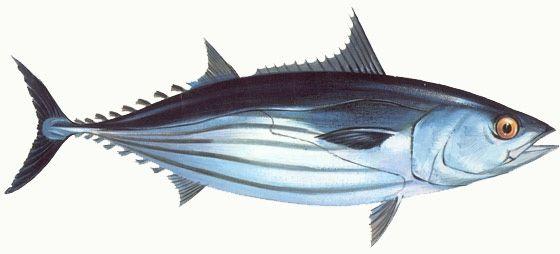
Skipjack Tuna Overview
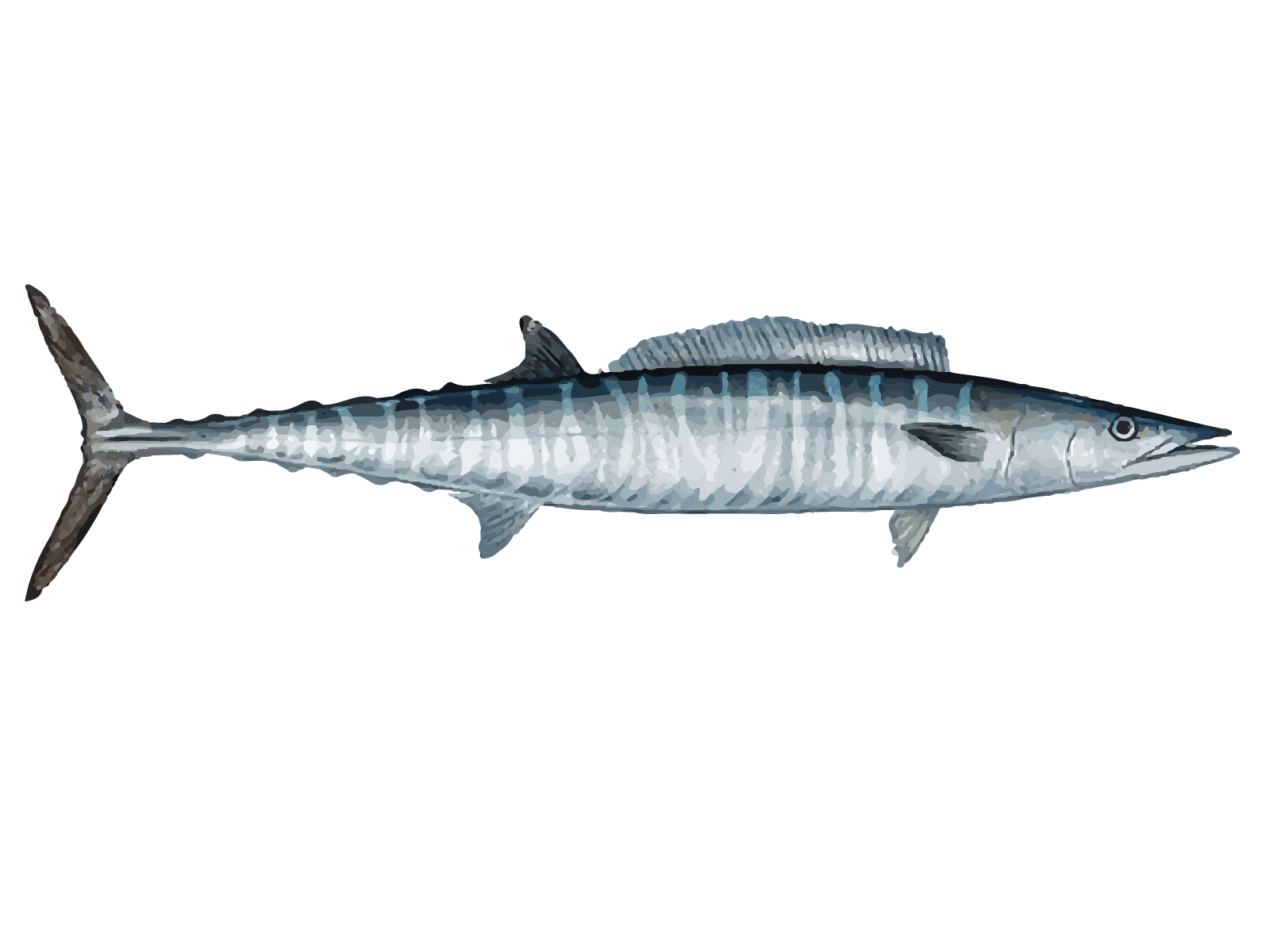
The Skipjack Tuna (Katsuwonus pelamis), a member of the Scombridae family and classified in the order Perciformes, is one of the most recognizable and commercially important tuna species in the world. These sleek, torpedo-shaped fish are distinguished by their characteristic dark purple or blue backs, silver lower sides, and striking 4-6 vertical dark bands running along their bodies—a feature that gives them their distinctive appearance. What makes Skipjack particularly fascinating is their incredible abundance; they're the most commonly used tuna in the canned tuna industry, especially in canned light tuna products. Whether you're an offshore angler in Miami, a commercial fisherman, or simply curious about pelagic species, the Skipjack represents one of the ocean's most dynamic and prolific hunters.
Skipjack Tuna Habitat and Distribution
Skipjack Tuna thrive in tropical and sub-tropical waters across the Atlantic Ocean, Pacific Ocean, and Indian Ocean, with the highest concentrations found near the equator. These pelagic fish prefer temperatures between 15°F and 30°F and inhabit the open ocean far below the continental shelf. During the day, they typically descend to depths around 850 feet, but when feeding or at night, they swim near the surface where they're most accessible to anglers. The species is highly migratory, constantly on the move in search of food and optimal water conditions. They're often found schooling with juvenile Yellowfin and Bigeye Tuna, creating opportunities for anglers targeting multiple species simultaneously. Their wide distribution and preference for offshore environments make them a staple in tropical and temperate fisheries worldwide.
Skipjack Tuna Size and Weight
Skipjack Tuna are known for their rapid growth rates compared to other tropical tuna species. While they can reach maximum lengths of approximately 4 feet and weights up to 76 pounds, the average recreational catch typically ranges between 2 to 3 feet in length and around 20 pounds in weight. Most anglers can expect to land fish in the 18 to 40-pound range during typical fishing expeditions. Despite their impressive growth speed, Skipjack have a relatively short lifespan of only 8 to 12 years, which contributes to their high reproductive rates and abundant populations throughout their range.
Skipjack Tuna Diet and Behavior
These aggressive hunters are opportunistic feeders that prey on a diverse diet including herring, small fish, and crustaceans. Their not-fussy approach to food makes them exciting targets for anglers using a variety of baits and lures. Skipjack are highly social fish, traveling in large, organized schools that move constantly through the water column. They're known for being easily spooked, requiring anglers to approach with stealth and precision. Their explosive feeding behavior—particularly when they rise to the surface in feeding frenzies—creates spectacular displays and excellent opportunities for experienced anglers. The species' aggressive nature and schooling behavior make trolling an exceptionally effective technique, as covering open water often rewards patient fishermen with multiple strikes in quick succession.
Skipjack Tuna Spawning and Seasonal Activity
Female Skipjack demonstrate remarkable reproductive capacity, producing between 100,000 and 2 million eggs annually and spawning as frequently as once per day during peak breeding seasons. Eggs hatch within approximately one day of fertilization, allowing for rapid population replenishment. This extraordinary fecundity, combined with their quick growth rates, explains why Skipjack maintain such abundant populations despite heavy commercial fishing pressure. Seasonal patterns vary by geographic region, but they generally remain active year-round in tropical waters, with peak feeding activity during warmer months in temperate zones. Migration patterns often bring them closer to shore during specific seasons, creating prime fishing windows for both recreational and commercial operations.
Skipjack Tuna Techniques for Observation and Capture
Trolling (Recommended Primary Method): Trolling at speeds of 4-6 knots with a hoochie rig is the most effective technique for Skipjack, particularly when targeting schools. Position your boat to circle schools carefully, allowing your bait to troll as close as possible—ideally drifting directly through the school if conditions permit. Maintain your rig at upper water column depths where these fish typically feed. Alternative trolling baits include feathers, plugs, and spoons. When schools aren't visible, maintain steady trolling at reasonable distances behind the boat, as Skipjack often investigate trailing baits.
Jigging and Live Bait: When fish are actively feeding at the surface, switch to jigging with live bait for increased success, particularly when targeting larger individuals deeper in the water column. Pink feathers, squids, artificial skirts, and swimming ballyhoo prove highly effective. The combination of jigging action and natural or artificial lure movement triggers aggressive strikes from feeding Skipjack.
Fly Fishing: Dedicated fly fishermen enjoy success with epoxy patterns, sand eel imitations, and small deceiver patterns. This specialized approach works best during surface feeding periods when fish are aggressive and accessible. Around offshore fishing hubs in Florida, Hawaii, and California, charter services often report peak Skipjack action during early morning and late afternoon feeding windows.
Skipjack Tuna Culinary and Utilization Notes
The Skipjack Tuna's culinary value is exceptional, offering excellent eating quality with firm, flavorful flesh. As the primary species in commercial canned tuna production, particularly canned light tuna products, the species demonstrates outstanding versatility in the kitchen. Fresh Skipjack can be grilled, seared, or prepared sashimi-style, with a mild flavor that appeals to diverse palates. The species' sustainability status, managed through organizations like ICCAT (International Commission for the Conservation of Atlantic Tuna), reflects efforts to maintain healthy populations while supporting commercial and recreational fisheries. High protein content and omega-3 fatty acids make Skipjack a nutritious protein source, whether consumed fresh, canned, or prepared in traditional dishes across Pacific and Atlantic fishing communities.
Skipjack Tuna Frequently Asked Questions
Q: What is the best bait and tackle setup for catching Skipjack Tuna?
A: A hoochie rig trolled at 4-6 knots represents the gold standard for Skipjack, though feathers, plugs, spoons, and live bait also produce excellent results. Use medium to heavy-duty tackle with 20-30 pound line to handle the species' powerful runs and aggressive head-shaking. When fish are feeding at the surface, switch to jigging with pink feathers or artificial skirts for more active engagement.
Q: Where can I find Skipjack Tuna near popular fishing destinations?
A: Skipjack are distributed across tropical and temperate oceans worldwide. In the Atlantic, they're abundant off Florida's east coast and throughout the Caribbean. Pacific populations thrive off Hawaii, Southern California, and throughout Southeast Asian waters. Indian Ocean populations concentrate near equatorial regions. Charter services in Miami, San Diego, and Honolulu regularly target this species offshore beyond the continental shelf.
Q: What makes Skipjack Tuna different from other tuna species?
A: Skipjack are smaller and faster-growing than Bluefin or Yellowfin Tuna, with distinctive vertical dark bands on their lower bodies. They're the most abundant tuna species in open oceans and the primary tuna used in canned products. Their aggressive schooling behavior and willingness to strike multiple baits make them excellent targets for recreational anglers seeking action-packed fishing.
Q: Is Skipjack Tuna good to eat, and is it sustainable?
A: Yes, Skipjack offers excellent culinary quality with firm, flavorful flesh perfect for grilling, searing, or canning. The species is sustainably managed by ICCAT, which monitors populations across Atlantic, Pacific, and Indian Ocean fisheries. While commercially abundant, responsible fishing practices ensure healthy populations for future generations of anglers and consumers.
Q: When is the best time to fish for Skipjack Tuna?
A: Skipjack remain active year-round in tropical waters, with peak activity during warmer seasons in temperate zones. Early morning and late afternoon feeding windows provide the most reliable action. Seasonal migrations bring concentrations closer to specific regions during particular times of year, so local charter services can provide specific timing recommendations for your target area.
Q: Why do Skipjack travel in schools, and how does this affect fishing strategy?
A: Skipjack's schooling behavior provides protection and coordinated hunting advantages in open ocean environments. This social structure means finding one fish often means finding dozens or hundreds. Trolling is particularly effective because you can cover water systematically, and once you hook into a school, multiple strikes often follow in rapid succession. Approach schools carefully—these fish spook easily if the boat moves too aggressively through their formation.
More species you can explore on this trip
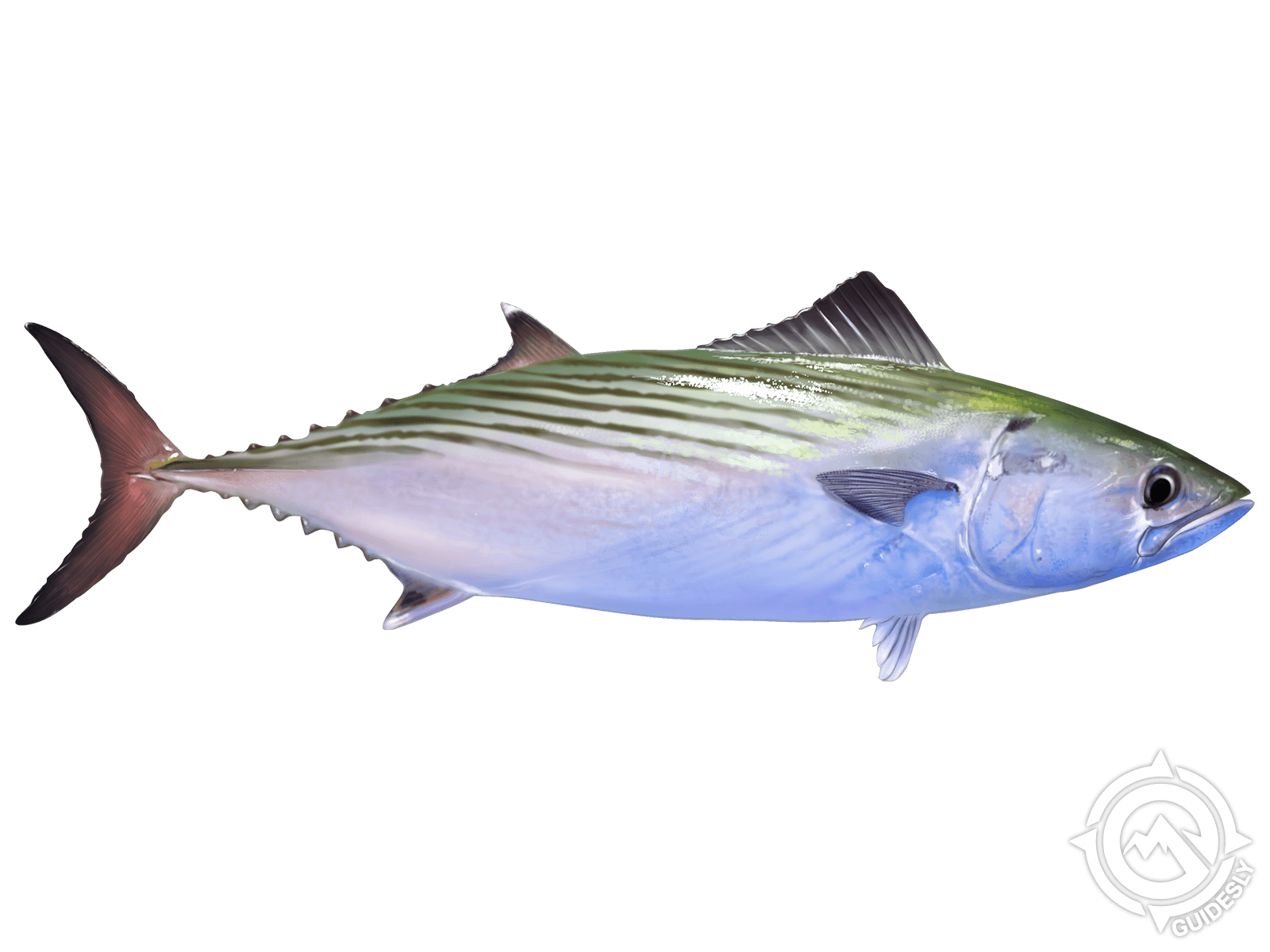
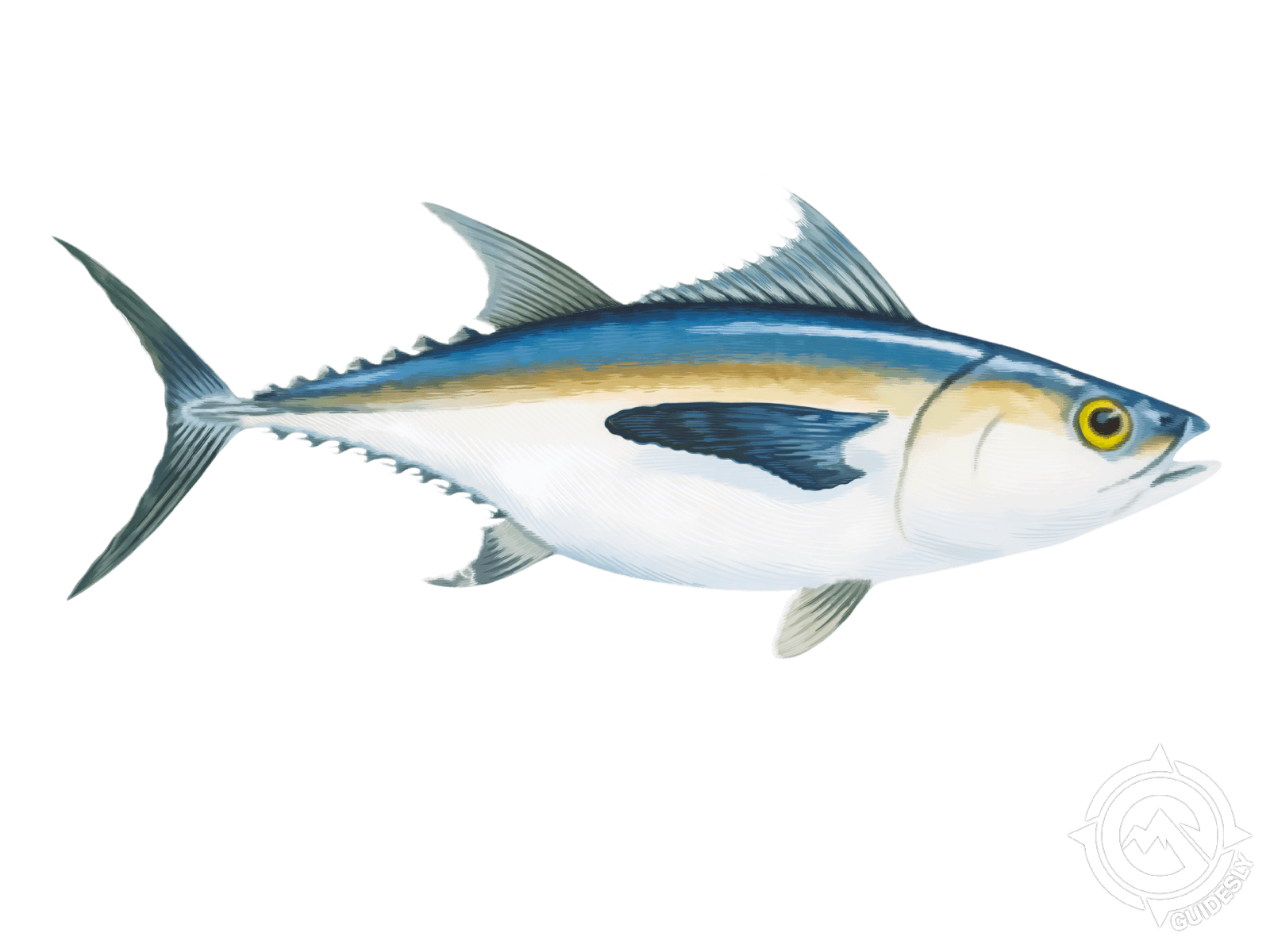

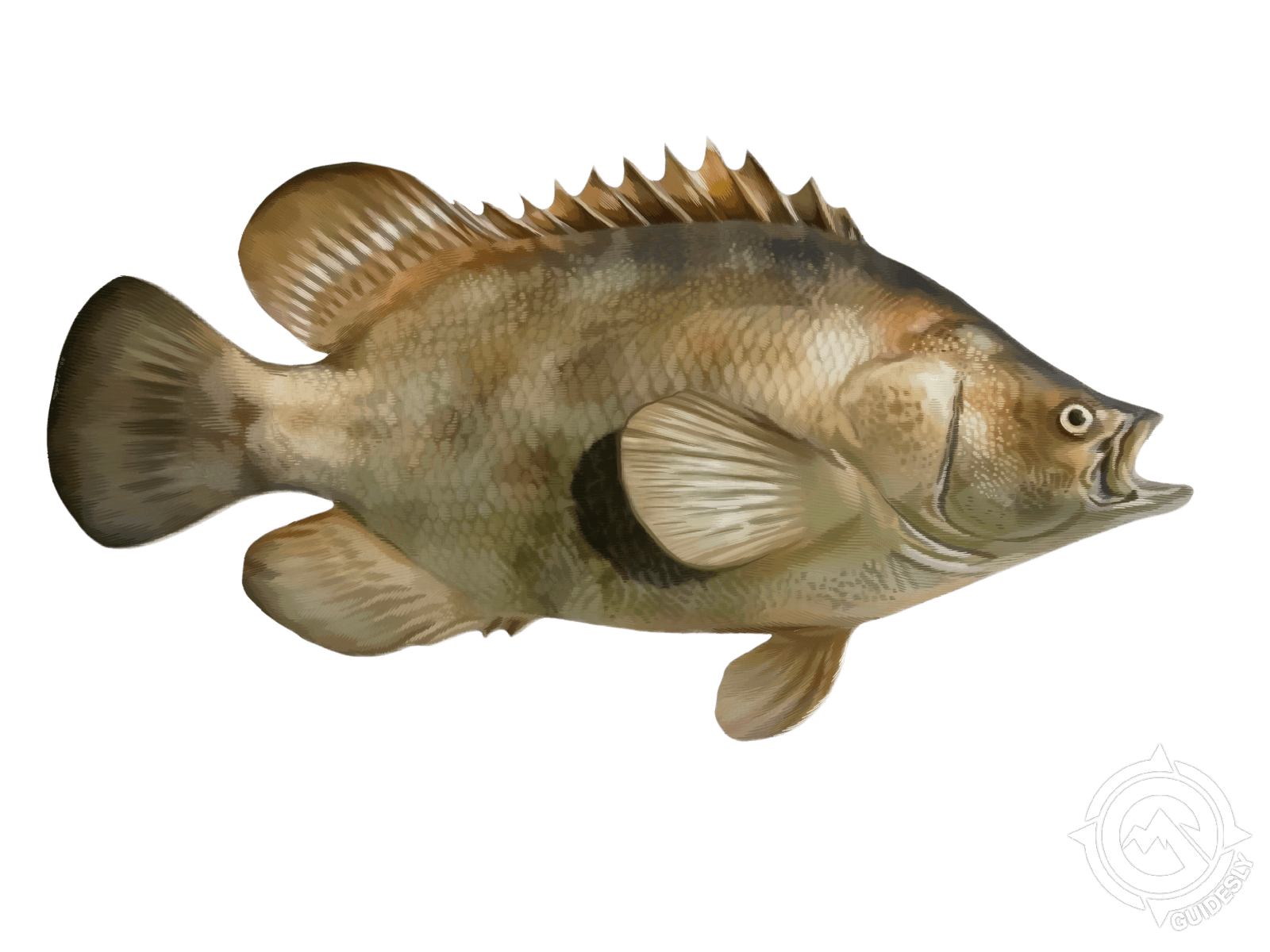
Pesca En Los Cayos Available Trips
Other customer memories from this trip
Captain Angel's 32' Contender is purpose-built for the kind of fishing you'll experience on this trip. Stepping aboard, you immediately notice the spacious layout - there's genuine room for six anglers to move around and fish without bumping into each other or fighting for rail space. The boat has plenty of storage tucked throughout, keeping gear organized and securing everything as you cruise out to deeper water. The deck is designed so casting and fighting fish feel natural, with secure footing even when the water picks up a bit. Comfort matters on a full day offshore, and this boat delivers with a smooth ride even in choppier conditions you might encounter 40 miles out. The helm is professional and clean, with everything Captain Angel needs to navigate these waters efficiently. All the tackle, fresh bait, and fishing equipment live onboard and are well-maintained - no worn rods or tangled lines. You'll notice the boat feels like it's been cared for, built and kept ready for serious fishing rather than casual outings. The overall impression is that you're on a real fishing machine with someone who takes both the vessel and the experience seriously.